
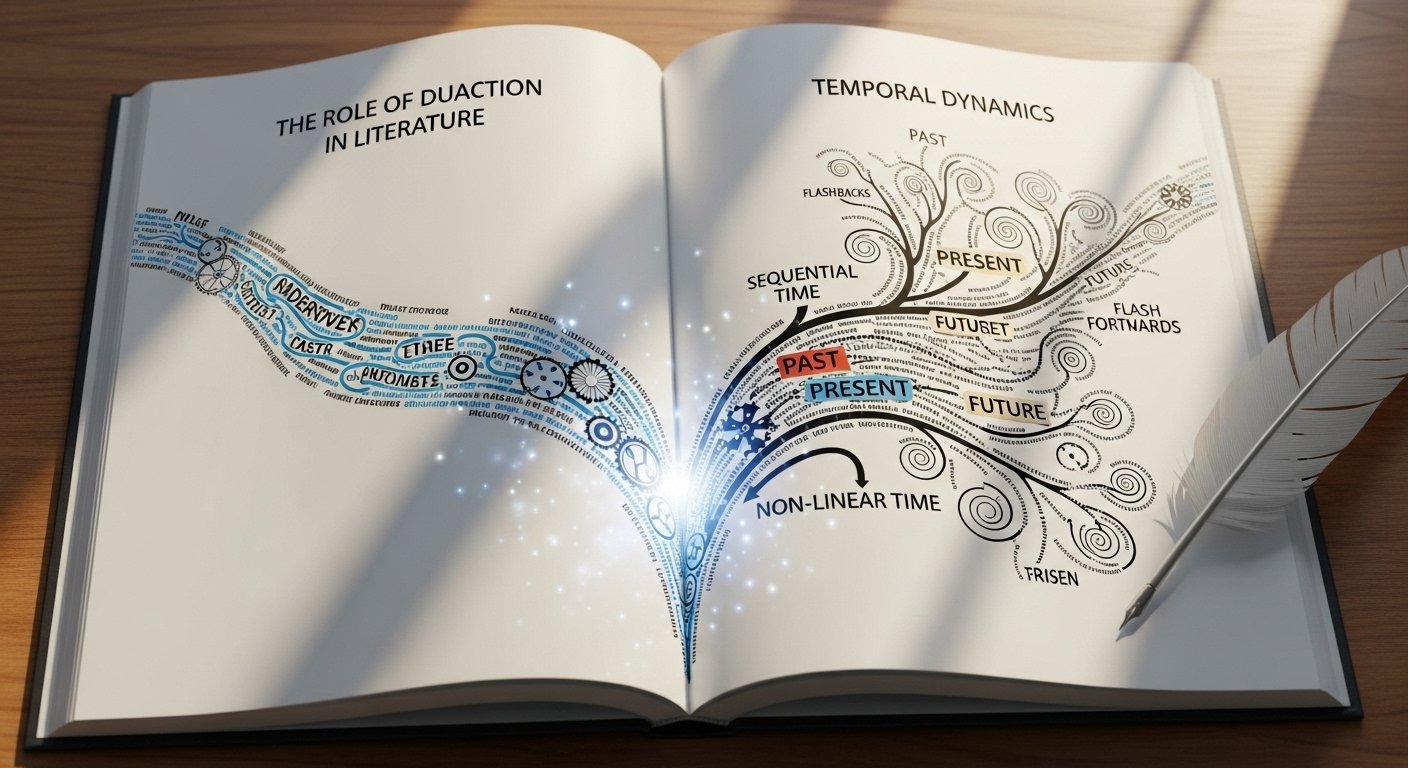
Time is a curious beast. It shapes our experiences, influences our emotions, and even dictates the flow of stories we consume. In literature, this concept takes on a fascinating dimension through what we call “duaction.” This intriguing term intertwines duration and action in storytelling, revealing how time can manipulate narrative structure and character arcs. As readers traverse the pages of their favorite books or dive into new literary worlds, they often encounter profound reflections on time’s role in shaping narratives.
Delving deeper into duaction opens up discussions about how authors use temporal dynamics to enhance their plots and develop multi-dimensional characters. Whether it’s through flashbacks that unravel a protagonist’s past or real-time dialogue that heightens tension, understanding duaction enriches our reading experience. Join us as we explore the multifaceted role of duaction in literature—unearthing its significance across genres while examining its cultural impacts and evolving representations influenced by technology.
Understanding the Concept of Time in Literature
Time in literature is not merely a backdrop; it shapes the entire narrative. Authors manipulate time to create tension, evoke emotions, or develop characters.
Chronology can be linear, jumping from past to present and vice versa. This non-linear approach invites readers to piece together fragments of a story. It deepens engagement with the text.
Moreover, the perception of time often varies between characters and readers. Some may feel moments stretch into eternity while others race against an imminent deadline. This subjective experience enriches storytelling.
Cultural context also plays a vital role in how time is represented. Different societies have unique relationships with history and future aspirations, influencing how their stories unfold.
Understanding this concept opens up new layers of meaning in literary works. Readers become more aware of how temporal dynamics influence character motivations and plot trajectories.
The Importance of Duaction in Shaping Narrative and Character Development
Duaction plays a pivotal role in how stories are told. It governs the rhythm of narrative flow, influencing pacing and tension. When time shifts or stretches within a story, it creates an emotional landscape that deeply impacts readers.
Characters evolve through their experiences across various temporal dimensions. A moment of reflection can reveal hidden motivations or change a character’s trajectory entirely. Readers become invested when they perceive the passage of time affecting relationships and decisions.
Moreover, duaction allows for flashbacks and foreshadowing, enriching the storytelling layers. These techniques invite readers to explore connections between past events and present actions, crafting more complex characters.
Time is not just a backdrop; it’s an active force driving narratives forward. Understanding this dynamic enhances our appreciation for literature as both art and craft. By manipulating duaction effectively, authors can transform simple tales into profound explorations of human experience.
Examples of Duaction in Classic and Contemporary Literature
Duaction manifests in various forms across both classic and contemporary literature. Consider Shakespeare’s “Hamlet.” The play unfolds over a short period, yet the weight of time is palpable. Characters wrestle with past decisions, highlighting how duaction shapes their fate.
In contrast, Gabriel García Márquez’s “One Hundred Years of Solitude” stretches time across generations. Events recur, creating a complex tapestry where history feels cyclical rather than linear.
Modern novels like David Mitchell’s “Cloud Atlas” explore duaction through interwoven narratives spanning centuries. Each story affects the others, illustrating how temporal dynamics influence characters beyond their immediate circumstances.
These examples show that duaction not only serves as a backdrop but actively drives character motivations and thematic depth. By manipulating time, authors create richer storytelling experiences for readers to dissect and enjoy.
Cultural Influences on the Use of Duaction in Different Literary Genres
Cultural influences shape how duaction manifests across various literary genres. In the realm of magical realism, for instance, time often bends and twists. Authors like Gabriel García Márquez play with temporal fluidity to reflect cultural beliefs about reality and myth.
In contrast, science fiction frequently explores duaction through advanced technology. Writers like Isaac Asimov delve into time travel, pushing boundaries of human experience while questioning ethical implications tied to altering timelines.
Traditional folklore tends to treat time cyclically, emphasizing renewal and repetition over linear progression. This reflects deep-rooted customs that connect past generations with the present.
Furthermore, post-colonial literature often employs fragmented timelines as a way to highlight historical dislocation and trauma. Authors weave together past and present narratives to reclaim lost identities within their cultures.
Each genre’s relationship with duaction reveals unique insights into societal values and shared experiences across different communities.
The Impact of Technology on the Representation of Time in Literature
Technology has revolutionized storytelling, particularly in how time is represented. With the advent of digital media, authors can manipulate temporal structures with ease. Flashbacks and non-linear narratives are now commonplace.
E-books and interactive formats allow readers to experience stories differently. Some texts enable readers to choose their paths, creating a personalized timeline that enhances engagement.
Moreover, social media has birthed micro-narratives—stories told in real-time through posts or threads. This immediacy changes our perception of narrative pacing and urgency.
As technology evolves, so too do the possibilities for exploring duaction within literature. Writers experiment with format and structure like never before, pushing boundaries that were once unimaginable.
Readers today expect innovative approaches to time in storytelling. The integration of multimedia elements invites deeper immersion into plots as well as character arcs across different timelines.
Conclusion: The Enduring Relevance of Duaction in Literature
The study of duaction reveals much about how literature reflects human experience. Time is not merely a backdrop; it shapes every facet of storytelling. Through the manipulation of temporal dynamics, authors create complex narratives that resonate with readers on multiple levels.
As we navigate through different genres and styles, it’s evident that duaction remains a vital tool for writers. It allows them to explore themes such as memory, loss, and hope while providing insight into character motivations and arcs.
Moreover, advancements in technology continue to influence how time is portrayed in literature. Writers experiment with non-linear timelines or immersive formats that challenge traditional notions of storytelling. This evolution suggests an ongoing dialogue between literary forms and contemporary cultural experiences.
The exploration of duaction enriches our understanding of both literature and ourselves. It invites us to reflect on how we perceive time in our lives—the moments that shape us and the stories we tell about those moments. As long as people seek meaning through narrative, the relevance of duaction will endure across generations and mediums.