
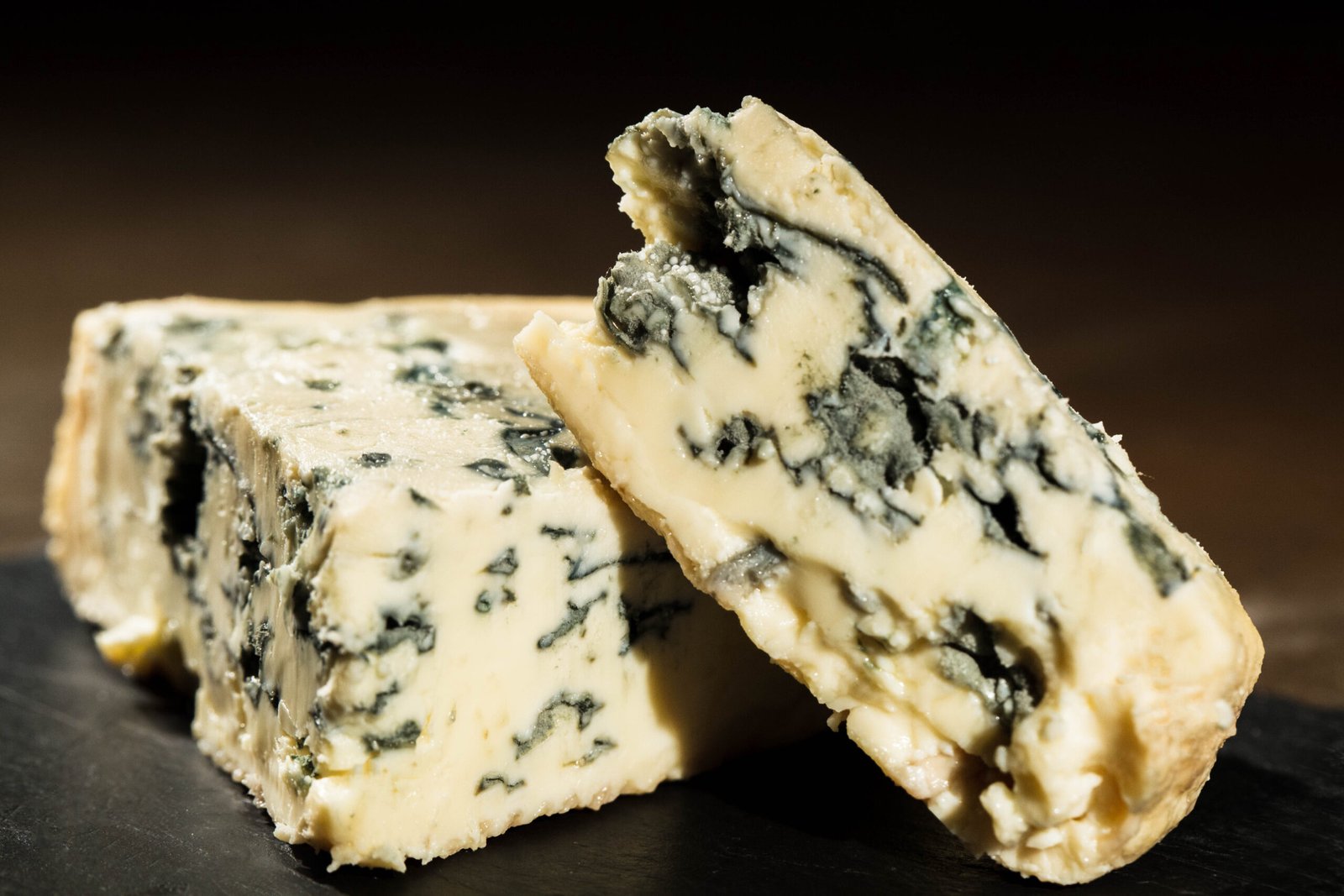
Cheese has long been celebrated as one of the most versatile and indulgent foods across the globe. Among the countless varieties, Italian cheeses hold a special place, renowned for their rich flavors, meticulous craftsmanship, and storied traditions. One of the standout cheeses in this category is Gorgonzola, a blue cheese that has been cherished for centuries. Known for its distinct aroma, bold flavor, and creamy yet crumbly texture, Gorgonzola is a favorite among cheese connoisseurs and casual lovers alike.
However, as tastes evolve and culinary innovation continues, a new variation has emerged, offering a gentler, creamier experience: Masgonzola. This modern twist on traditional Gorgonzola delivers the essence of the classic cheese but with a smoother texture and a milder, more approachable flavor. In this article, we explore Masgonzola in depth — its origins, unique characteristics, culinary uses, health aspects, and why it’s becoming a favorite among cheese enthusiasts.
Origins of Masgonzola
Masgonzola is inspired by the classic Italian Gorgonzola, which has been produced in northern Italy for nearly a thousand years. Traditional Gorgonzola comes in two main types: Dolce (sweet, creamy, and mild) and Piccante (aged, sharp, and crumbly). While both versions have devoted followings, the strong taste and pungent aroma of Gorgonzola can be overwhelming for some.
Enter Masgonzola — a contemporary take on the beloved blue cheese. It is designed to retain the signature blue veins and rich creaminess of Gorgonzola but with a softer texture and subtler flavor. Masgonzola’s creation reflects the modern consumer’s preference for approachable gourmet foods — products that maintain authenticity while appealing to a broader audience.
Although Masgonzola is relatively new on the market, it quickly gained recognition in specialty cheese shops, fine dining restaurants, and even casual culinary settings due to its versatility and balanced taste.
Flavor Profile: Creamy and Milder
The defining feature of Masgonzola is its smooth, creamy texture. Unlike traditional Gorgonzola Piccante, which can be firm and slightly crumbly, Masgonzola spreads easily and melts beautifully. Its flavor profile is milder, less tangy, and less pungent, making it ideal for those who enjoy blue cheese but prefer a gentler taste.
Masgonzola carries a subtle sweetness, complemented by earthy undertones and the familiar blue cheese aroma. The balance between creaminess and flavor allows it to pair seamlessly with a wide range of foods, from fresh fruits to savory meats. This combination of texture and taste makes Masgonzola a cheese that can be enjoyed both on its own and as part of more complex dishes.
Culinary Uses
Masgonzola’s versatility is one of its most attractive qualities. Its creamy consistency and mild flavor allow it to be incorporated into various dishes without overpowering other ingredients. Here are some popular culinary uses:
1. Cheese Boards and Appetizers
Masgonzola works beautifully on cheese boards. Its approachable taste pairs well with nuts, honey, dried fruits, and crackers. Unlike stronger Gorgonzola, Masgonzola can be enjoyed by guests with varying preferences, making it an ideal choice for gatherings and tasting events.
2. Pasta and Risotto
Masgonzola melts smoothly, making it perfect for creamy pasta sauces or risottos. A few spoonfuls can transform a simple pasta dish into a luxurious, flavorful meal without overwhelming the palate.
3. Salads
Adding crumbles of Masgonzola to salads provides a touch of richness and a hint of tangy flavor. It pairs well with bitter greens like arugula, sweet fruits like pears and apples, and even roasted vegetables.
4. Pizza and Flatbreads
Chefs and home cooks alike are discovering the joy of using Masgonzola as a pizza topping. Its creamy texture blends beautifully with other cheeses, meats, and vegetables, creating a harmonious flavor profile.
5. Sauces and Dressings
Masgonzola can be incorporated into creamy dressings, dips, and sauces. Its mild taste ensures it complements other ingredients rather than overpowering them, adding a gourmet touch to everyday meals.
Pairing Masgonzola with Beverages
Cheese and wine pairings are a classic combination, and Masgonzola is no exception. Its mild flavor opens up a wide range of pairing possibilities:
-
White Wines: Light, crisp white wines such as Sauvignon Blanc or Pinot Grigio balance the creaminess of Masgonzola.
-
Red Wines: Softer reds like Pinot Noir or Merlot complement the cheese without clashing with its subtle flavors.
-
Beer: Light ales and wheat beers enhance the creaminess, while darker stouts provide a pleasant contrast to its gentle sweetness.
-
Non-Alcoholic Options: Sparkling water, apple cider, and grape juice can also create delightful pairings for those avoiding alcohol.
In addition to beverages, Masgonzola pairs beautifully with fruits, nuts, honey, and charcuterie, making it an excellent choice for curated tasting experiences.
Nutritional and Health Considerations
Masgonzola is made from cow’s milk, like traditional Gorgonzola, and contains essential nutrients such as calcium, protein, and vitamins A and B12. Its creamy texture comes from a higher fat content, which provides richness but should be enjoyed in moderation as part of a balanced diet.
One advantage of Masgonzola over traditional blue cheese is its milder flavor, which makes it easier to consume in larger amounts for those sensitive to strong cheeses. Additionally, its creamy consistency may be more digestible for some individuals, especially when used in recipes rather than eaten in large chunks.
For those monitoring sodium intake, it’s important to note that blue cheeses, including Masgonzola, tend to have higher salt content. Moderation is key, but the cheese’s intense flavor means a little can go a long way, making it easier to enjoy without overconsumption.
Masgonzola vs. Traditional Gorgonzola
Comparing Masgonzola to its predecessor highlights the innovation behind this modern cheese:
| Feature | Gorgonzola | Masgonzola |
|---|---|---|
| Texture | Firm, crumbly or creamy depending on type | Smooth, creamy, spreadable |
| Flavor | Strong, pungent, tangy | Milder, subtler, slightly sweet |
| Aroma | Sharp, intense | Gentle, approachable |
| Culinary Uses | Cheese boards, cooking, dressings | Versatile: boards, cooking, sauces, spreads |
| Audience | Cheese lovers accustomed to strong flavors | Broader audience, including those new to blue cheese |
While Gorgonzola remains a beloved classic, Masgonzola opens the door for a wider range of consumers to experience the joys of blue cheese without hesitation. It’s a cheese that bridges tradition and modern taste preferences, allowing both novice and experienced cheese lovers to savor its unique qualities.
Popularity and Market Trends
The rise of Masgonzola reflects broader trends in the gourmet food market. Consumers increasingly seek premium, approachable foods that combine tradition with innovation. Masgonzola meets this demand by offering the hallmark qualities of Gorgonzola — blue veins, rich flavor, and creamy texture — while softening the intensity for modern palates.
Specialty cheese shops, restaurants, and home chefs are embracing Masgonzola as it complements a range of dishes without overpowering them. Food influencers and culinary publications have also praised its versatility, helping it gain recognition in both local and international markets.
Tips for Enjoying Masgonzola
To fully appreciate Masgonzola, consider the following tips:
-
Serve at Room Temperature: Like most cheeses, Masgonzola’s flavor and texture are best experienced at room temperature. Remove it from the refrigerator 20–30 minutes before serving.
-
Pair Thoughtfully: Balance the mild creaminess with sweet or acidic accompaniments such as honey, figs, or balsamic glaze.
-
Use Sparingly in Cooking: Its richness can elevate dishes, so a little goes a long way in sauces, risottos, and pastas.
-
Experiment with Combinations: Don’t be afraid to mix Masgonzola with other cheeses or ingredients to discover unique flavor profiles.
Conclusion
Masgonzola represents a modern, accessible approach to the time-honored tradition of Gorgonzola cheese. With its creamy texture, milder flavor, and versatile culinary uses, it appeals to both seasoned cheese enthusiasts and newcomers alike. Whether enjoyed on a cheese board, melted into a pasta dish, or incorporated into a salad, Masgonzola offers a sophisticated, indulgent experience without overwhelming the palate.
By maintaining the essence of classic Gorgonzola while softening its intensity, Masgonzola has carved out a unique niche in the world of gourmet cheeses. It’s a cheese that respects tradition yet embraces modern taste preferences, offering a creamy, milder twist on a timeless favorite.
For anyone looking to explore the world of blue cheese without being intimidated by pungency, Masgonzola is an inviting and delicious choice — a testament to how culinary innovation can enhance classic flavors while making them more approachable for all.