
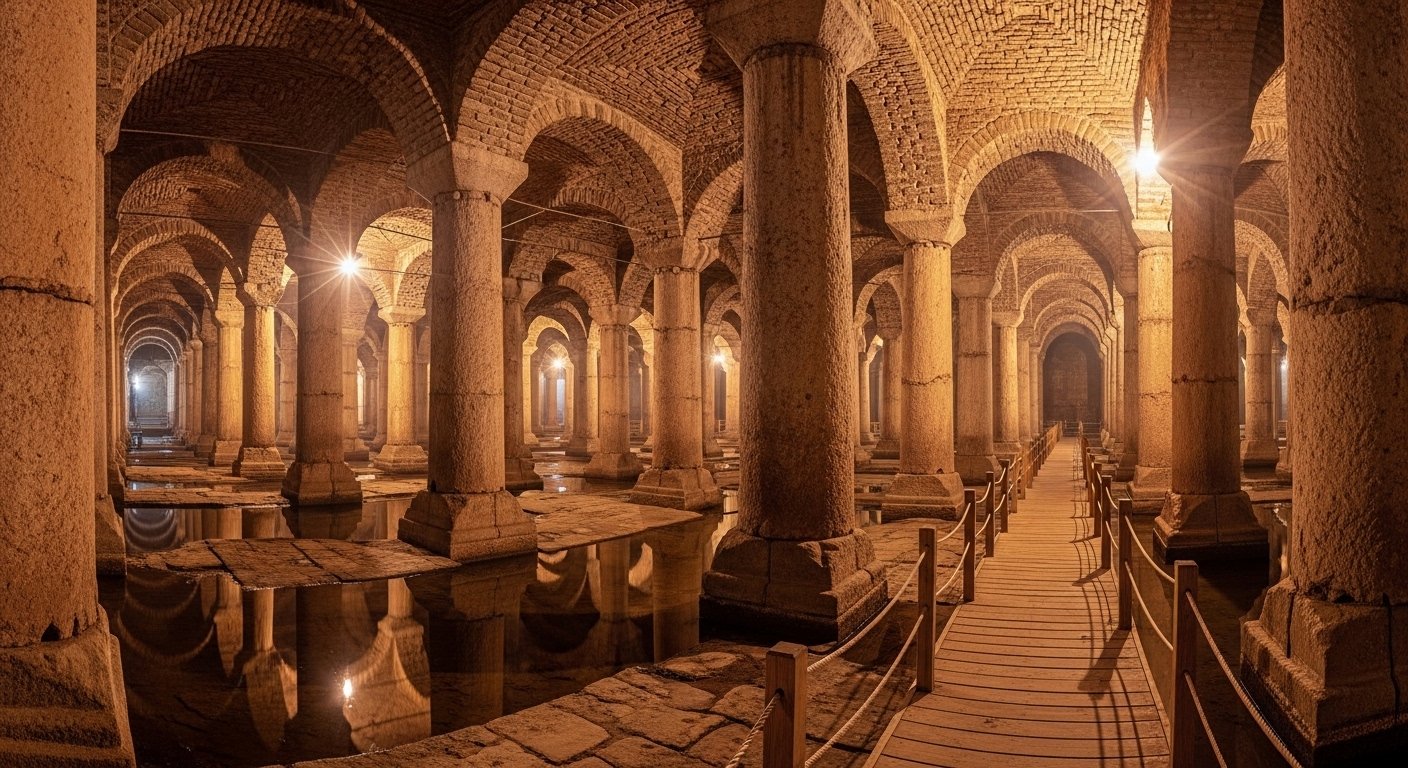
Throughout human history, water has been one of the most critical resources for survival, urban development, and societal growth. Civilizations have engineered innovative ways to collect, store, and manage water, often creating structures that are as impressive as they are functional. Fascisterne – Exploring Ancient Water Cisterns and Historical Engineering Marvels delves into the fascinating world of ancient cisterns, focusing on their architectural brilliance, historical significance, and enduring lessons for modern water management.
This article explores the origins, construction, functionality, cultural impact, and contemporary relevance of fascisterne, highlighting why these structures remain remarkable feats of engineering.
Understanding Fascisterne
The term fascisterne typically refers to ancient cisterns—underground reservoirs designed to collect and store rainwater or channel water from nearby sources. These cisterns were essential in regions with irregular rainfall or limited access to rivers, ensuring a reliable water supply for domestic, agricultural, and ceremonial purposes.
Unlike open water reservoirs, fascisterne were often covered or partially underground to reduce evaporation, protect water quality, and maintain a consistent temperature. They exemplify human ingenuity in responding to environmental challenges, combining practical engineering with sustainable resource management.
Historical Origins
Water cisterns date back thousands of years and appear across many civilizations:
-
Ancient Mesopotamia: The early urban centers of Sumer and Babylon relied on cisterns to supplement river water from the Tigris and Euphrates. Cisterns ensured water availability during dry periods and supported agriculture and urban populations.
-
Ancient Rome: Roman engineering is particularly notable for its aqueducts and cisterns, which included sophisticated underground networks and storage tanks capable of serving large cities like Rome and Carthage. These cisterns integrated seamlessly with public baths, fountains, and private homes.
-
Middle Eastern Civilizations: In regions such as Palestine, Israel, and Turkey, cisterns were integral to city planning. Cities like Jerusalem and Istanbul incorporated large underground fascisterne, demonstrating advanced knowledge of hydraulics and urban water management.
-
Medieval Europe: In castle complexes and monasteries, cisterns provided a secure and reliable water supply during sieges or droughts, emphasizing the strategic as well as practical importance of water storage.
Architectural Design and Engineering
Fascisterne were more than functional reservoirs; they were marvels of engineering and architecture. Their design principles often included:
-
Underground Construction: Excavating cisterns underground reduced evaporation, insulated water against temperature extremes, and protected against contamination.
-
Vaulted Ceilings: Many cisterns featured vaulted or arched ceilings to support the weight of the ground above and prevent collapse, demonstrating an understanding of structural mechanics.
-
Columnar Support: Some large cisterns, such as the Basilica Cistern in Istanbul, used rows of columns to evenly distribute weight while maximizing storage capacity.
-
Inlet and Outlet Systems: Sophisticated channels, pipes, and sluices directed water into and out of the cistern, controlling flow and maintaining water quality.
-
Waterproofing Techniques: Ancient builders applied plaster, tiles, or natural hydraulic mortars to prevent leaks, ensuring long-term usability.
These features highlight the combination of practicality, durability, and aesthetic consideration in fascisterne construction.
Notable Examples of Fascisterne
Several historical cisterns stand out as exemplary achievements:
1. Basilica Cistern, Istanbul
Constructed during the Byzantine era in the 6th century CE, the Basilica Cistern spans over 9,000 square meters and contains 336 marble columns. Its vaulted ceilings and underground chambers served the water needs of the Great Palace of Constantinople, showcasing Roman engineering adapted for Byzantine urban demands.
2. Château de Vincennes Cisterns, France
In medieval France, large cisterns at castle complexes such as Château de Vincennes ensured a steady water supply during sieges. These cisterns demonstrate the strategic importance of water storage in defensive architecture.
3. City Cisterns of Jerusalem
Jerusalem’s ancient cisterns, some dating back to the First Temple period, collected rainwater from rooftops and urban surfaces. These structures were critical for survival in a city with limited natural water sources.
4. Petra, Jordan
The Nabatean city of Petra is famous for its rock-cut cisterns and water channels, which enabled a thriving urban settlement in an arid desert environment. These cisterns reveal remarkable adaptation to harsh climatic conditions.
Functional Significance
Fascisterne were integral to daily life, influencing social, economic, and cultural practices:
-
Domestic Use: Cisterns supplied water for cooking, cleaning, and personal hygiene, reducing dependency on natural water sources.
-
Agriculture: Stored water irrigated crops during dry seasons, supporting food security and economic stability.
-
Urban Infrastructure: In densely populated cities, cisterns ensured a consistent water supply for public baths, fountains, and markets.
-
Religious and Ceremonial Functions: In some cultures, cisterns were associated with ritual purification or religious ceremonies, linking water management to cultural practices.
By addressing multiple needs simultaneously, fascisterne contributed to societal resilience and urban prosperity.
Engineering Challenges and Solutions
Building fascisterne required solving complex engineering problems:
-
Structural Stability: Excavating large underground chambers demanded careful planning to prevent collapse. Vaulted ceilings and columnar supports were common solutions.
-
Water Quality Maintenance: Preventing contamination was crucial. Filtration systems, covered storage, and sedimentation basins were used to maintain potable water.
-
Flow Management: Ensuring consistent inflow and outflow involved the precise design of channels, aqueducts, and pipes.
-
Capacity Optimization: Engineers balanced storage size with structural limitations, maximizing efficiency without compromising safety.
The solutions developed for fascisterne influenced later water management technologies and urban planning practices.
Cultural and Historical Legacy
Fascisterne represent more than engineering—they reflect the values, ingenuity, and priorities of their societies. They illustrate:
-
Technological Innovation: Advanced understanding of hydraulics, construction, and materials.
-
Urban Planning: Integration of water infrastructure with city design and architecture.
-
Sustainability: Long-term resource management in challenging environments.
-
Heritage Preservation: Many cisterns remain intact today, offering insight into ancient civilizations and serving as historical landmarks.
Visiting fascisterne offers a tangible connection to the past, highlighting the enduring importance of water as a resource and symbol.
Modern Relevance
Ancient cisterns offer lessons for contemporary water management:
-
Sustainable Water Storage: With climate change and urbanization, strategies for capturing and storing rainwater are increasingly vital. Fascisterne demonstrate practical, low-energy solutions.
-
Urban Design Integration: Modern architecture and city planning can learn from how ancient cisterns were incorporated seamlessly into urban landscapes.
-
Disaster Preparedness: Cisterns provided resilience during droughts or sieges, illustrating the importance of redundancy and emergency water storage.
-
Cultural Tourism: Preserved cisterns attract visitors, raising awareness of historical engineering and supporting local economies.
By studying and preserving these structures, modern societies can apply ancient wisdom to contemporary challenges.
Preservation Efforts
Many fascisterne have survived centuries due to durable construction and careful maintenance. Today, preservation involves:
-
Structural reinforcement to prevent collapse
-
Cleaning and restoration of masonry and columns
-
Documentation and research for educational and cultural purposes
-
Integration into museums or public tours to promote awareness
Preserving fascisterne not only safeguards historical knowledge but also inspires innovation in sustainable water management.
Conclusion
Fascisterne – Exploring Ancient Water Cisterns and Historical Engineering Marvels highlights humanity’s long-standing relationship with water. These ancient cisterns showcase remarkable engineering, architectural innovation, and societal foresight. From domestic needs to urban infrastructure and cultural practices, fascisterne served as lifelines for civilizations, enabling survival, prosperity, and cultural continuity.
Their enduring legacy offers lessons in sustainability, resource management, and resilience, reminding us that innovative solutions to essential human needs can transcend centuries. Studying and preserving fascisterne allows modern societies to draw inspiration from historical ingenuity, blending heritage with contemporary approaches to water security and urban planning.
Whether admired as architectural marvels, studied as engineering achievements, or appreciated as cultural treasures, fascisterne remain a testament to human creativity, adaptability, and the timeless importance of water in shaping civilization.