
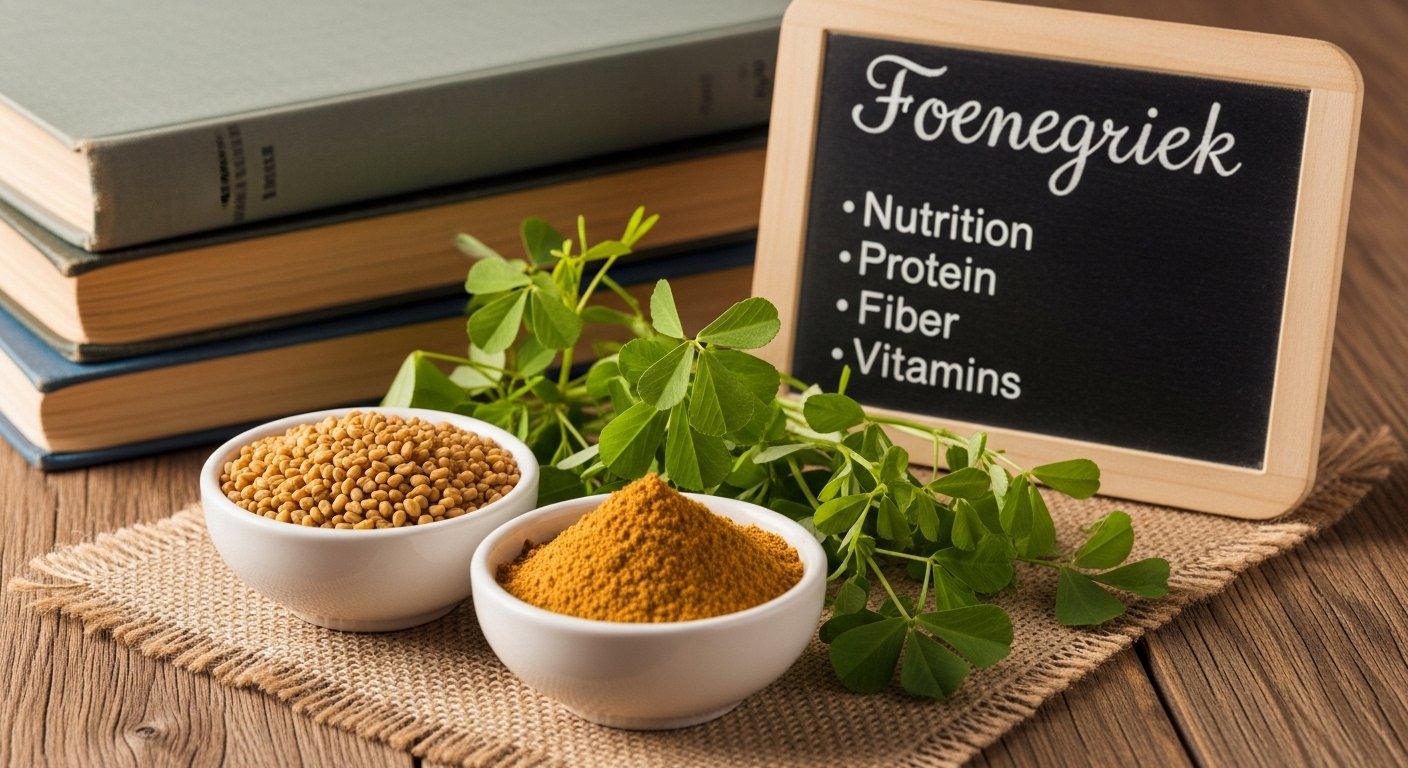
Foenegriek, commonly known as fenugreek, is a herb that has been celebrated for centuries due to its remarkable nutritional and medicinal properties. Native to the Mediterranean region, North Africa, and Western Asia, foenegriek is not only a staple in traditional cuisines but also a powerhouse of health benefits. Its seeds, leaves, and sprouts are used across culinary, therapeutic, and nutritional applications. Rich in protein, fiber, essential vitamins, and minerals, foenegriek offers a natural and effective way to support overall well-being.
Nutritional Profile of Foenegriek
Foenegriek seeds are tiny, golden-brown, and slightly bitter, yet packed with nutrients. They contain approximately 23% protein, which makes them an excellent plant-based protein source. This protein content is particularly beneficial for vegetarians and vegans looking to meet their daily protein needs. In addition to protein, foenegriek is high in soluble fiber, which aids digestion, regulates blood sugar, and helps maintain healthy cholesterol levels.
The seeds are also rich in vitamins and minerals, including:
-
Vitamin A: Supports vision, immune health, and skin health.
-
Vitamin C: A potent antioxidant that promotes immunity and cellular health.
-
Vitamin K: Essential for blood clotting and bone health.
-
Iron: Crucial for red blood cell formation and oxygen transport.
-
Magnesium: Supports muscle function, nerve health, and energy production.
-
Manganese: A trace element that plays a role in metabolism and bone development.
This combination of nutrients makes foenegriek a holistic addition to the diet, catering to both nutritional and medicinal needs.
Health Benefits of Foenegriek
1. Supports Digestive Health
Foenegriek is an excellent source of soluble fiber, which helps regulate bowel movements and improves overall digestion. Fiber absorbs water and forms a gel-like substance in the gut, which slows down digestion and allows for better nutrient absorption. People suffering from constipation, bloating, or indigestion may find foenegriek particularly beneficial. Additionally, its natural compounds have been linked to promoting a healthy gut microbiome, further supporting digestive wellness.
2. Regulates Blood Sugar Levels
One of the most studied benefits of foenegriek is its ability to help regulate blood sugar levels. The soluble fiber in foenegriek seeds slows down carbohydrate digestion, reducing spikes in blood sugar after meals. Some studies have suggested that foenegriek may enhance insulin sensitivity, which is particularly helpful for individuals with type 2 diabetes. Regular inclusion of foenegriek in meals or as a supplement can provide a natural, supportive approach to blood sugar management.
3. Enhances Heart Health
Foenegriek seeds contain compounds that may support cardiovascular health. The soluble fiber helps lower LDL (bad) cholesterol levels, reducing the risk of heart disease. Additionally, foenegriek has been linked to lowering triglycerides and maintaining healthy blood pressure. Magnesium, another component in foenegriek, plays a critical role in maintaining proper heart rhythm and overall cardiovascular function.
4. Promotes Lactation in Nursing Mothers
Traditionally, foenegriek has been used as a galactagogue—a natural substance that boosts milk production in breastfeeding women. Research indicates that its phytoestrogens may stimulate milk production, making it a popular supplement among nursing mothers. However, it is advisable for mothers to consult a healthcare professional before starting any supplement regimen.
5. Supports Weight Management
The fiber content in foenegriek contributes to satiety, helping control appetite and reduce overeating. By creating a feeling of fullness, foenegriek can assist in weight management efforts. Its protein content also helps maintain lean muscle mass while supporting metabolism, further aiding in weight control.
6. Anti-Inflammatory and Antioxidant Properties
Foenegriek seeds contain flavonoids, saponins, and other bioactive compounds with potent antioxidant and anti-inflammatory properties. These compounds help combat oxidative stress, reduce inflammation in the body, and protect against chronic diseases. Regular consumption of foenegriek may contribute to long-term health by supporting the body’s natural defense mechanisms.
7. Supports Skin and Hair Health
Foenegriek has been used traditionally for its benefits to skin and hair. The seeds contain nutrients that may improve skin hydration, reduce acne, and promote a healthy complexion. For hair, foenegriek is known to strengthen hair follicles, reduce hair thinning, and support healthy growth. Some beauty remedies include foenegriek seed paste or oil for direct application on skin and scalp.
Culinary Uses of Foenegriek
Foenegriek’s slightly bitter, nutty flavor makes it a versatile ingredient in the kitchen. Its seeds, leaves, and sprouts can be incorporated into a variety of dishes:
-
Spices and Seasoning: Roasted foenegriek seeds are often ground into powders for curries, stews, and spice blends.
-
Herbal Teas: Foenegriek tea is popular for digestion, blood sugar regulation, and lactation support.
-
Sprouts: Foenegriek sprouts can be added to salads, sandwiches, and wraps, providing a crunchy texture and a nutrient boost.
-
Pastes and Dips: Soaked and ground seeds can be used in chutneys and spreads for flavor and nutrition.
Cooking with foenegriek not only enhances flavor but also ensures that its nutritional properties are retained and absorbed effectively.
Dosage and Consumption Tips
While it is generally safe for most people, moderation is key. Common ways to consume it include:
-
Seeds: 1–2 teaspoons daily, soaked or roasted.
-
Powder: Added to dishes or smoothies.
-
Tea: 1 cup daily, made by steeping seeds in hot water.
-
Sprouts: 2–3 tablespoons added to salads or meals.
It is important to consult a healthcare professional before consuming it in high doses, especially for pregnant or breastfeeding women or individuals with medical conditions.
Potential Side Effects
Although foenegriek offers many health benefits, it may cause mild side effects in some individuals. Common side effects include:
-
Gastrointestinal discomfort (bloating, gas, diarrhea)
-
A maple syrup-like odor in sweat or urine
-
Allergic reactions in sensitive individuals
Large doses may affect blood sugar levels or interact with medications, so professional guidance is recommended for high intake.
Modern Research on Foenegriek
Recent scientific studies have further validated foenegriek’s traditional uses. Research has shown its potential in:
-
Managing diabetes: By improving glucose metabolism and insulin sensitivity.
-
Enhancing lactation: Boosting milk production in nursing mothers.
-
Reducing cholesterol: Improving lipid profiles and cardiovascular health.
-
Weight management: Reducing appetite and promoting satiety.
Ongoing research continues to explore foenegriek’s role in cancer prevention, hormonal balance, and chronic inflammation.
Buying and Storing Foenegriek
It seeds and powders are widely available in supermarkets, health stores, and online retailers. When buying foenegriek:
-
Choose whole seeds or organic powders for maximum freshness.
-
Check expiration dates and avoid seeds with a musty smell.
-
Store in an airtight container, away from sunlight and moisture, to maintain potency.
Proper storage ensures that it retains its nutritional and medicinal qualities for extended periods.
Conclusion
It or fenugreek, is far more than just a culinary spice—it is a nutritional powerhouse. Rich in protein, fiber, vitamins, and minerals, it supports digestive health, blood sugar regulation, heart health, lactation, and weight management. Its anti-inflammatory and antioxidant properties make it a natural ally against chronic diseases, while its benefits for skin and hair enhance overall wellness. Incorporating it into your diet, whether through seeds, powder, tea, or sprouts, offers a simple and effective way to boost nutrition naturally.
With centuries of traditional use backed by modern research, it remains a versatile and beneficial herb for people of all ages. Whether you are seeking better health, improved digestion, or enhanced beauty, foenegriek can be a reliable and natural addition to your lifestyle. Embrace this ancient herb and let its nutritional power support your journey toward holistic well-being.