
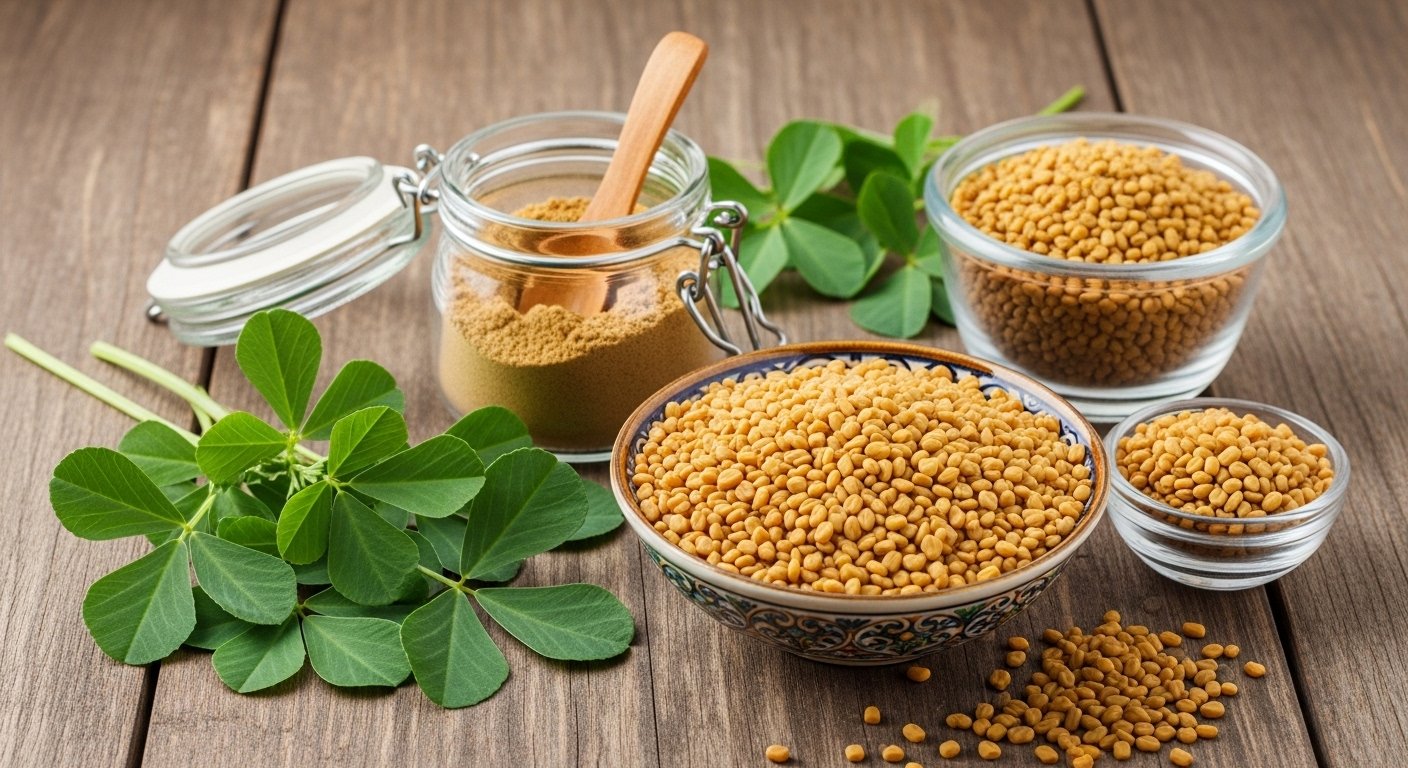
Natural remedies and nutritional herbs have been an integral part of human wellness for centuries. Among these, Foenegriek, commonly known as fenugreek, has gained attention for its diverse health benefits, culinary uses, and nutritional properties. Traditionally used in herbal medicine and cooking across Asia, the Middle East, and Europe, Foenegriek is celebrated for its ability to support metabolic health, enhance digestion, and provide a rich source of vitamins and minerals.
This article explores Foenegriek in depth, covering its composition, health benefits, practical uses, and nutritional considerations for modern lifestyles.
What Is Foenegriek?
Foenegriek is a plant species scientifically known as Trigonella foenum-graecum. It belongs to the legume family and is cultivated primarily for its seeds and leaves. While the leaves are used as herbs in cooking, the seeds are prized for their medicinal properties and nutritional content.
Foenegriek seeds are small, golden-brown, and slightly bitter with a distinct aroma. When roasted or ground, they release a nutty, maple-like fragrance, making them versatile in culinary and therapeutic applications.
Nutritional Composition of Foenegriek
Foenegriek is more than a culinary spice; it is a nutritional powerhouse. Its seeds and leaves contain several essential nutrients:
1. Macronutrients
-
Proteins: Foenegriek seeds are rich in plant-based protein, making them an excellent dietary supplement for vegetarians and vegans.
-
Carbohydrates: They provide slow-digesting carbs, which can help maintain energy levels.
-
Fiber: High fiber content aids digestion and promotes a feeling of fullness.
2. Vitamins
-
Vitamin A: Supports vision and skin health.
-
Vitamin C: Acts as an antioxidant, boosting immunity.
-
B Vitamins: Including folate and B6, which play roles in metabolism and energy production.
3. Minerals
-
Iron: Essential for red blood cell formation and oxygen transport.
-
Magnesium: Supports muscle function and bone health.
-
Manganese and Copper: Important for enzymatic reactions and antioxidant defenses.
4. Bioactive Compounds
Foenegriek seeds contain saponins, flavonoids, and alkaloids. These bioactive compounds contribute to Foenegriek’s medicinal properties, including blood sugar regulation, anti-inflammatory effects, and antioxidant activity.
Health Benefits of Foenegriek
Foenegriek has a long history in traditional medicine, and modern research supports many of its health claims.
1. Blood Sugar Regulation
One of the most studied benefits of Foenegriek is its ability to regulate blood glucose levels. Compounds in the seeds can improve insulin sensitivity, slow carbohydrate absorption, and reduce fasting blood sugar. This makes Foenegriek particularly useful for individuals managing diabetes or prediabetes.
2. Cholesterol and Heart Health
Foenegriek may help lower LDL cholesterol and triglycerides while supporting healthy HDL levels. The presence of soluble fiber helps bind cholesterol in the digestive system, reducing its absorption and promoting cardiovascular wellness.
3. Digestive Health
Foenegriek has traditionally been used to aid digestion, reduce constipation, and soothe gastrointestinal discomfort. Its high fiber content promotes healthy bowel movements and supports a balanced gut microbiome.
4. Lactation Support
For breastfeeding mothers, Foenegriek is recognized as a galactagogue, a natural agent that may increase milk production. Herbal supplements and teas containing Foenegriek are commonly used to support lactating women.
5. Anti-Inflammatory and Antioxidant Effects
Bioactive compounds in Foenegriek help reduce inflammation and oxidative stress, which are linked to chronic diseases such as arthritis, heart disease, and metabolic disorders.
6. Weight Management
Foenegriek can promote satiety and reduce appetite due to its high fiber and protein content. Including Foenegriek in meals may help control overeating and support weight management goals.
7. Hormonal and Metabolic Support
Some studies suggest that Foenegriek may balance hormone levels, particularly in women, by modulating estrogen activity. This can support reproductive health and metabolic function.
Culinary Uses of Foenegriek
Foenegriek is highly versatile in the kitchen. Both seeds and leaves are used in traditional and modern cooking.
1. Seeds
-
Whole or roasted seeds: Used in curries, pickles, and spice blends.
-
Ground powder: Adds a nutty, slightly bitter flavor to soups, stews, and bread.
-
Tea and infusions: Foenegriek seeds can be boiled to create a herbal tea that supports digestion and lactation.
2. Leaves
-
Fresh leaves: Often used in salads, sautés, and soups.
-
Dried leaves (Kasuri Methi): Common in Indian cuisine to flavor curries, dals, and flatbreads.
-
Herbal pastes: Blended with other herbs to create marinades and seasoning pastes.
Medicinal and Herbal Uses
Foenegriek has a long history in Ayurvedic, Chinese, and Middle Eastern medicine. Some common applications include:
-
Managing diabetes and blood sugar with regular consumption of seed powder or tea.
-
Reducing inflammation in conditions such as arthritis.
-
Improving lactation through teas or supplements.
-
Supporting cardiovascular health by incorporating seeds into the diet.
-
Digestive aid to alleviate indigestion, bloating, and constipation.
Modern herbal supplements often standardize Foenegriek extracts to ensure consistent potency and effectiveness.
Nutritional Considerations and Safety
Foenegriek is generally considered safe for most individuals when used in moderate dietary amounts. However, there are some considerations:
1. Allergies
Some individuals may experience allergic reactions, such as rash or digestive upset, especially with high doses of seeds or extracts.
2. Blood Sugar and Medication Interactions
People taking antidiabetic medications should consult a healthcare provider before using Foenegriek, as it may enhance the effects of insulin or oral hypoglycemic drugs.
3. Pregnancy and Lactation
While Foenegriek is traditionally used to support lactation, high doses during pregnancy may carry risks. Consultation with a healthcare provider is recommended.
4. Dosage and Consumption
-
Culinary use in cooking is generally safe.
-
Herbal supplements or teas should follow recommended dosages on the product label.
-
Seeds can be soaked, roasted, or ground for easier digestion and absorption.
Incorporating Foenegriek into a Modern Diet
Foenegriek can be seamlessly included in a variety of diets:
-
Breakfast: Add ground seeds to smoothies, oatmeal, or yogurt.
-
Lunch/Dinner: Use dried leaves in curries, soups, or vegetable stir-fries.
-
Snacks: Include roasted seeds in trail mixes or homemade snack bars.
-
Herbal Tea: Brew seeds for a warm, digestive-friendly drink.
By integrating Foenegriek in small, consistent amounts, individuals can enjoy both culinary flavor and health benefits.
Scientific Research and Evidence
Recent studies continue to explore Foenegriek’s potential benefits:
-
Diabetes management: Clinical trials show reduced fasting blood glucose and improved glucose tolerance.
-
Cholesterol reduction: Research indicates lowered LDL and triglyceride levels in individuals consuming Foenegriek regularly.
-
Lactation support: Studies confirm increased milk production in breastfeeding mothers using seed-based supplements.
-
Antioxidant activity: Laboratory research demonstrates free radical scavenging properties, supporting overall cellular health.
While research is promising, ongoing studies aim to refine dosage, efficacy, and safety guidelines for various populations.
Conclusion
Foenegriek is a versatile and nutrient-rich herb with applications that span culinary, medicinal, and wellness domains. Its seeds and leaves provide essential nutrients, bioactive compounds, and unique flavors, while supporting health outcomes such as blood sugar regulation, cardiovascular wellness, digestive health, and lactation support.
Incorporating Foenegriek into a balanced diet offers a natural, effective way to enhance overall wellness. As scientific research continues to validate traditional uses, Foenegriek remains a valuable tool in modern nutrition and holistic health practices.
For anyone seeking a combination of taste, nutrition, and therapeutic benefits, Foenegriek presents a simple yet powerful solution. Its adaptability, rich composition, and historical significance make it a staple for those committed to health, wellness, and flavorful living.