
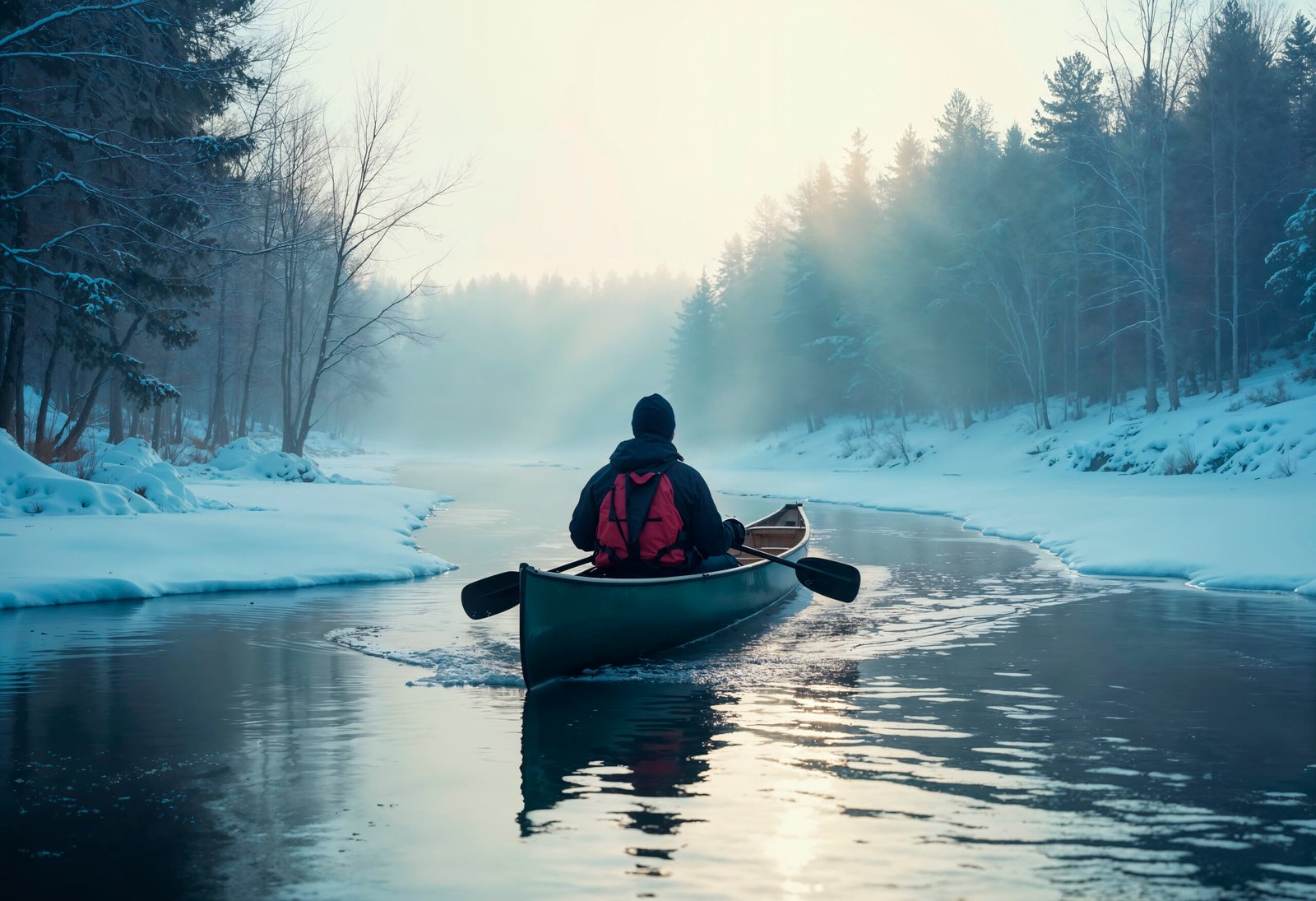
Finland is known as the “Land of a Thousand Lakes,” but in truth, it holds far more than that. With over 188,000 lakes and an expansive coastline stretching along the Baltic Sea, water shapes nearly every aspect of Finnish life. Among the many traditions connected to this vast aquatic landscape, veneajelu stands out as one of the most cherished. The word “veneajelu” simply means “boat ride” in Finnish, yet it represents something much deeper than a casual trip across water. It embodies peace, connection with nature, cultural heritage, and a uniquely Finnish way of experiencing the world.
Veneajelu is not just a recreational activity. It is a timeless journey across water that blends history, lifestyle, and identity. For Finns, stepping into a boat is often stepping into a tradition that stretches back generations.
The Natural Setting Behind Veneajelu
To understand veneajelu, one must first understand Finland’s geography. The country’s landscape features countless interconnected lakes, winding rivers, and a rugged archipelago filled with thousands of small islands. In summer, these waters shimmer under long daylight hours, as the famous Midnight Sun extends evenings into golden nights. In winter, the same waters freeze into thick sheets of ice, transforming the environment into a silent, snow-covered wonderland.
During the warmer months, boats become an extension of daily life. Small wooden rowboats rest along lake shores, motorboats glide between islands, and sailboats drift gracefully across open waters. Whether in the calm interior lakes or along the breezy coastlines, veneajelu offers a peaceful way to experience Finland’s pure and untouched nature.
The setting itself defines the experience. Clear waters reflect forests of pine and birch. Gentle waves create a soothing rhythm. Birds circle above, and the distant hum of a boat engine fades into silence once the vessel slows or stops. Veneajelu allows participants to immerse themselves fully in these surroundings.
Historical Roots of Veneajelu
Boating in Finland has ancient origins. Long before modern infrastructure connected towns and villages, waterways served as the primary routes for transportation and trade. Early Finns relied on wooden boats to fish, hunt, and travel between settlements. Canoes and rowboats carved from single tree trunks carried families across lakes and rivers.
Over time, boat-building became a respected craft. Skills passed from one generation to the next ensured that boats remained reliable and suited to local conditions. Coastal communities developed strong maritime traditions, while inland populations refined techniques for navigating narrow lake passages.
Veneajelu evolved naturally from necessity into tradition. What began as practical travel transformed into a cultural ritual. Even as roads and railways expanded, Finns maintained their relationship with water. The act of taking a boat ride shifted from survival to leisure, but it never lost its deep cultural meaning.
A Summer Ritual
For many Finns, veneajelu defines summer. As soon as ice melts and temperatures rise, boats return to the water. Families gather at lakeside cottages, known as mökki, where days revolve around swimming, sauna sessions, fishing, and boat rides.
A typical summer veneajelu may involve a simple row across a quiet lake at sunset. It may also include a longer journey to a nearby island for a picnic. Some families travel by boat to visit neighbors or explore hidden coves. The experience does not require luxury. A modest wooden boat and a pair of oars are often enough.
The long Nordic light enhances the magic. Even late at night, the sky glows softly. Water mirrors the pastel colors of dusk, and the air carries a cool freshness. In these moments, veneajelu becomes meditative. Time seems to slow, and everyday concerns fade into the background.
The Coastal Experience
While lakes dominate much of Finland’s interior, the coastline offers a different dimension of veneajelu. The Finnish archipelago is one of the largest in the world, with tens of thousands of islands scattered across the Baltic Sea. Navigating this maze of land and water requires both skill and respect for nature.
Sailing is especially popular along the coast. White sails catch the wind as boats weave between rocky outcrops and forested islets. Small harbors welcome visitors with quiet charm. Coastal veneajelu often combines adventure with tranquility, as shifting winds and tides add subtle unpredictability to the journey.
Fishing also plays a significant role. Many people head out early in the morning, casting lines into calm waters. The gentle rocking of the boat and the sound of lapping waves create a peaceful atmosphere that defines the essence of veneajelu.
A Connection to Nature
One of the most powerful aspects of veneajelu is its ability to connect people with nature. Finland values environmental preservation deeply, and this respect is evident on the water. Clean lakes and protected coastal areas reflect a national commitment to sustainability.
When out on a boat, individuals experience nature without barriers. There are no walls, no city noise, and no digital distractions. The only sounds may be wind, water, and wildlife. This closeness fosters mindfulness and reflection.
Many Finns describe veneajelu as calming and restorative. The gentle movement of the boat encourages relaxation. Watching ripples form and disappear reminds participants of life’s natural rhythms. In a fast-paced world, veneajelu offers stillness.
Social and Family Bonds
Veneajelu often strengthens relationships. Families spend hours together on the water, sharing stories and laughter. Children learn to row or steer, guided by parents or grandparents. These shared experiences create lasting memories.
Friends gather for boating trips that combine exploration and celebration. Some bring food and music for a small gathering on an island. Others simply enjoy conversation while drifting slowly across a lake. The focus remains on togetherness rather than entertainment.
In many ways, veneajelu reflects Finnish values of simplicity and authenticity. It does not require elaborate planning or expensive equipment. The emphasis lies in shared presence and genuine connection.
Modern Innovations and Safety
While veneajelu carries strong traditional roots, modern technology has influenced the practice. Today’s boats often include advanced navigation systems, reliable motors, and improved safety equipment. Marinas provide docking facilities, and boating regulations ensure responsible use of waterways.
Despite these advancements, the spirit of veneajelu remains unchanged. Technology enhances safety and accessibility but does not overshadow the fundamental experience. Many still prefer rowing or sailing quietly rather than relying solely on engines.
Safety plays a central role in contemporary veneajelu. Life jackets, weather awareness, and navigation knowledge protect both people and the environment. Finnish authorities promote responsible boating to maintain the purity and safety of waterways for future generations.
Veneajelu in Finnish Identity
Water influences Finnish art, literature, and music. Countless poems and songs describe lakes, islands, and the feeling of drifting across open water. Painters capture reflections and shifting skies. Writers use boating journeys as metaphors for introspection and freedom.
Veneajelu symbolizes independence and resilience. Historically, boats represented survival and adaptability. Today, they represent continuity and heritage. When Finns step into a boat, they participate in a cultural thread that connects past and present.
The experience also aligns with the Finnish concept of sisu, a term describing determination and inner strength. Navigating open waters, respecting changing weather, and maintaining balance require calm confidence. Veneajelu encourages these qualities gently rather than dramatically.
Seasonal Transformations
Although veneajelu thrives in summer, water remains central to Finnish life year-round. In winter, frozen lakes invite ice fishing and skating. While traditional boating pauses, the relationship with water continues in another form.
The seasonal shift highlights the adaptability of Finnish culture. Water may change from liquid to ice, but it never loses importance. When spring arrives and ice breaks apart, the first boat ride of the year carries special significance. It marks renewal and anticipation of warmer days.
Tourism and Global Interest
In recent decades, veneajelu has attracted international visitors. Travelers seek authentic experiences, and Finnish boating offers exactly that. Guided lake cruises, sailing tours through the archipelago, and cottage rentals with private boats introduce outsiders to this peaceful tradition.
Tourism operators emphasize sustainability and respect for nature. Visitors learn not only how to navigate the waters but also how to protect them. As global interest grows, veneajelu continues to balance tradition with responsible development.
The Emotional Essence of Veneajelu
At its heart, veneajelu is about emotion rather than activity. It evokes calmness, gratitude, and quiet joy. The act of moving across water carries symbolic meaning. It represents transition, reflection, and freedom.
A simple boat ride can become a deeply personal journey. Watching sunlight dance on ripples or feeling wind brush against the skin creates moments of awareness that linger long after returning to shore. These small yet powerful experiences define veneajelu more than any technical detail.
Conclusion
Veneajelu is far more than a Finnish word for boat riding. It is a timeless journey across water that reflects geography, history, and identity. Rooted in ancient necessity and shaped by modern life, it continues to bring people closer to nature and to one another.
Across quiet lakes and expansive coastlines, veneajelu remains a symbol of peace and continuity. It invites participants to slow down, breathe deeply, and appreciate the natural world. In every gentle ripple and glowing sunset, the tradition lives on.
For Finland, water is not just a feature of the landscape. It is a pathway, a gathering place, and a source of inspiration. Veneajelu captures all these elements in a simple yet profound act: stepping into a boat and allowing the journey to unfold.